Tide-Slow Steps Through Takayama Morning
Takayama’s old town lane at 09:20 stayed bright under clear light, the cedar shopfronts throwing thin shadows over the cobbles.
The crowd remained moderate with tour pairs drifting near the merchant frontage while locals traced quiet arcs along the outer edge.
Old Town Current Briefing
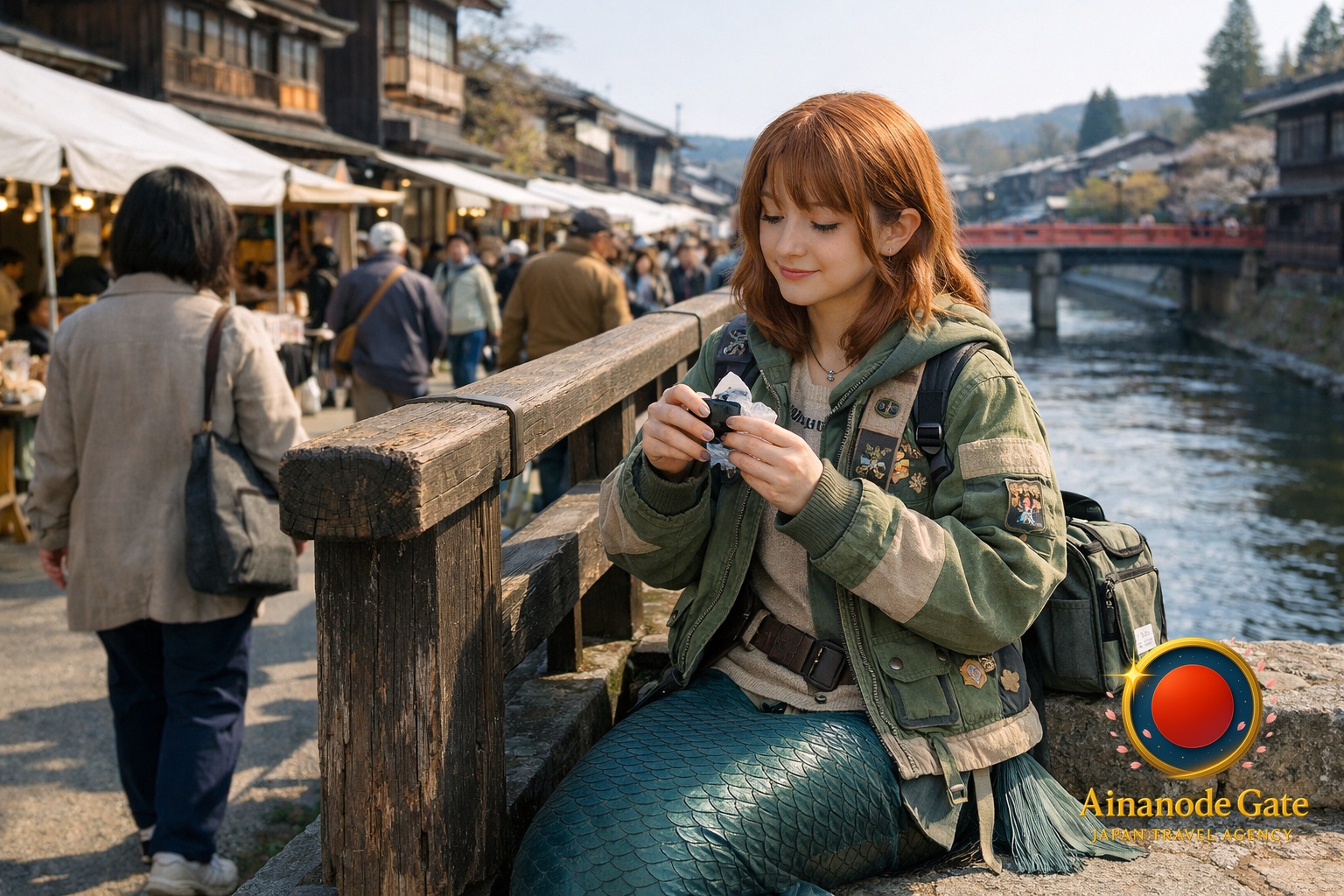
Mina, a Merfolk courier pausing in Takayama, keeps her breath low so her pulse stays eased and listens for moisture storing itself under the stone as if the town is a shallow inlet.
Her calves prefer surfaces with predictable drag, so the old town lane’s drainage lines calm the usual fin tension before she even sets a stride.
Laneways Breathe Slow
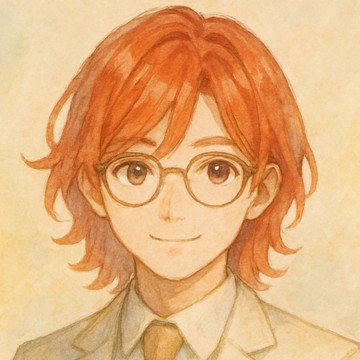

Along the Takayama old town lane beside the latticed merchant frontage, my breath steadied as the morning sun warmed the damp cobbles and softened the chill at my ankles.
From the shade under a noren-hung doorway toward the brighter bend near the small bridge approach, the tension in my shoulders eased because the lane widened more than the alley I entered, letting my fins angle without brushing timber posts.
The wooden railing at the sake shop sat level with my collarbone-high shoulders, so sliding my left forearm along it steadied my pace while I noted this strip stayed quieter than the central promenade beyond and how the lower curb lip matched my stride length.
When the stone lane stays slick from the morning rinse, adjusting my footfall to the central drainage groove results in a calmer weight transfer, and I felt my core settle as the groove guided each step toward the river.
As a Merfolk, I chose the left side flow along the merchant frontage and adjusted my pace to the low under-plank trickle, which lifted the restless pulse that comes from being far from water.
Market Edge Exchanges
Crossing from the lane into the Miyagawa bridge approach, my grip on the satchel tightened before relaxing as the breeze over the river cooled my cheeks and shifted the scent more than the enclosed alley behind me.
Toward the morning market edge, crowd spacing grew looser and my steps slowed, the slight slope downward letting my calves lengthen while I tracked stalls quieter than the busier center bank.
I stood clear of the main flow beside the post where the bridge railing met my shoulder fins, peeling back an onigiri wrapper in short stages, and each careful pull steadied my breath as steam rose against my chest.
When gusts curled across the Miyagawa parapet, adjusting my thumbs to draw the wrapper tabs inward toward my torso kept the rice from drying, and the focused motion eased the flutter that usually spikes near open crossings.
Then I moved along the gravel approach toward Sakurayama Hachimangu’s lower gate, and the steadier cadence softened the lingering market buzz, leaving me grateful because every surface change was teaching my land muscles a more fluid rhythm.
Lingering Route Imprints
The lane-to-bridge handover cooled my breath just enough that each step across the parapet felt like tracing a riverbank tide chart.
Peeling the onigiri wrapper in the breeze taught my shoulders to round inward when the wind pushes, so flavor and balance stay aligned.
The shrine approach gravel pressed back through my soles, reminding me that Takayama’s slopes reward patience more than force.
Ren’s Closing Flow
The memory that lingers is the bridge edge, where my breath matched the river flicker and even the market chatter dimmed enough for my pulse to float.
Standing near the Sakurayama approach rail in Takayama, I felt the day worthwhile because the move from the tight old town lane to the open bridge edge loosened my shoulders and taught me land pace can mirror tide rhythm.
Tracing drainage grooves kept my breath slower and turned slick stone into a steadier stride.
Letting the bridge breeze wrap my shoulders softened lingering tension before the shrine climb.
Pausing to peel the onigiri wrapper taught my hands to move with the wind so balance stayed calm.