Ueno Layers, Quiet Pulse
Ueno station frontage, 08:30, clear skies, commuters moderate.
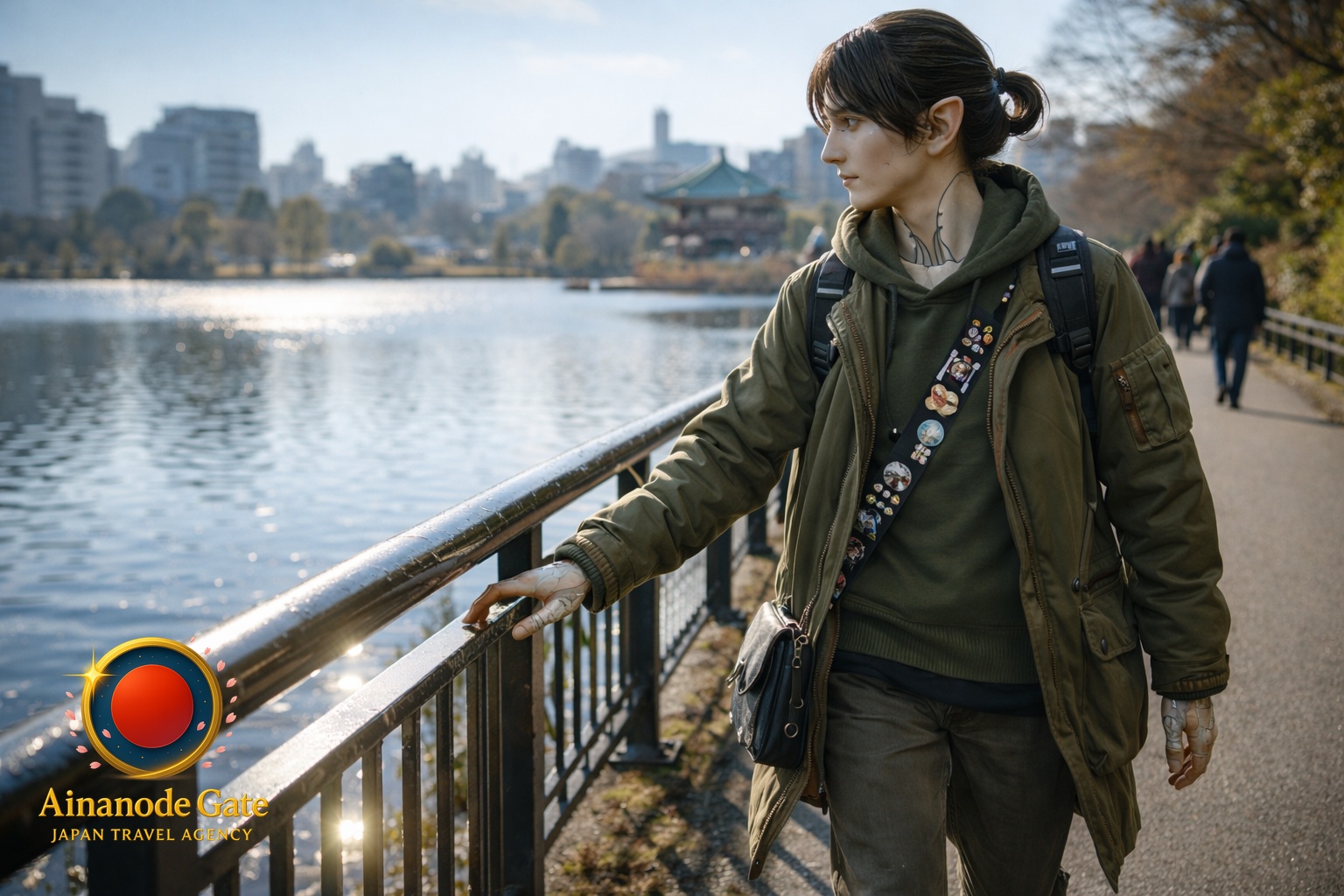
Park path by Shinobazu Pond, 08:50, sunlight steady, joggers sparse.
Stairsteps of calm between rail and market
I felt my shoulders tighten near the Ueno Station crossing as the east exit stairs funneled breathless commuters, yet the winter-smooth paving under my boots steadied my balance.
The Ameyoko market side street drew me from the station frontage, and every breath slowed because the air carried fruit sweetness instead of brake dust.
As an Archive Folk, I chose the shaded side along the metal awnings where my archival senses could catalog textures while my ribs relaxed against the cooler brick line.
When the narrow stall gap opened toward a covered arcade, adjusting my stride length to match the alternating curb lip resulted in calmer steps that kept my knees from jolting.
Moving from the market edge toward the museum approach, I noticed the plaza felt wider than the crammed street, which eased the tension at my temples.
A gentle slope rose into Ueno Park, and my pulse steadied as the gravel path crunched underfoot, quieter than the station roar behind me.
The Archive Folk instinct to preserve spatial sequences made me stop beside a railing that sat precisely at shoulder height, and that micro-scale alignment let my breath hover without collapsing inward.
A sudden gust across the pond edge sent ripples that mirrored the tremor in my elbows, and I realized the environment was teaching me to read crowd density through water texture.
Transitioning from the pond path back through a torii gate toward the museum steps, my stride tightened until I spotted a low stone border guiding my toes into steadier alignment.
The sheltered grove past the gate was quieter than the plaza, and that contrast softened the weight in my chest so I could note how each trunk echoed stored memory.
Ren’s prompt hovered again as I crossed from the grove into the open museum approach, and answering it required letting my shoulders drop so the archival record could include relief.
At that moment, the breeze shifted along the museum facade, and I realized moving parallel to the wall kept my breath warmer because the stone reflected sun back at my ribs.
Mid-route body mapping
I angled along a park path that curved toward Shinobazu Pond, and the slight camber tugged my left ankle until I slowed, which made the scent of reeds replace the earlier fried batter haze.
A heron lifting from the pond edge made me compare the open water to the market’s tight aisles, and my back relaxed with the realization that routes wider than memory allow a different kind of cataloging.
The species-driven choice to steady my satchel against my hip meant my arm brushed the low railing, causing a physical reaction as my fingers traced the paint chips and the city history inside them.
A second transition carried me along the pedestrian bridge toward the zoo side, and the shift from water breeze to concrete warmth eased the chill that had settled around my neck.
When sunlight flared on the bridge tiles, adjusting my pace to shorter steps prevented glare from startling my eyes, and the effect was an easier pulse that let me observe families without crowd anxiety.
Moving back through the station frontage instead of lingering in the park made me notice how the asphalt vibration is softer than the marble hall, which lifted the tension behind my ears.
The realization that Ueno’s layers respond to quiet observation struck when a busker’s rhythm matched my own heartbeat, so my internal archive shifted from defensive listing to open recording.
Ren’s concluding frame
The final return toward the station canopy kept my breath calm because the route felt decoded now, and my Quiet Observer instinct recognized how the museum approach light softened the earlier crowd edges.
I valued this walk because moving through Ueno’s station frontage into the park and back taught me that my archive senses settle once I align stride and railing height, which made the city feel interpretable in my own cadence.
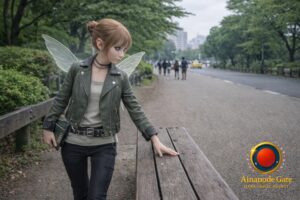
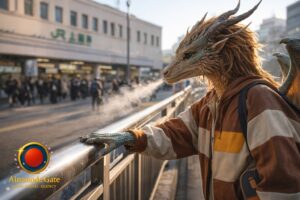
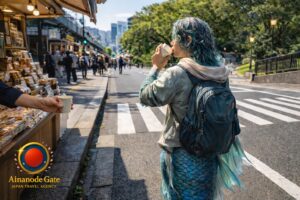
Breath steadied when I matched my stride to alternating curbs along Ameyoko.
Shoulders eased as the park slope widened more than the market lane.
Balance stayed calmer once I trusted the museum wall warmth to guide my pace.