Side-Street Resin Notes in Tokyo
Tokyo Station frontage at 09:10, clear blue sky, dry pavement, commuter stream thinning but steady along the curb.
Pavement Signals Under Clear Skies
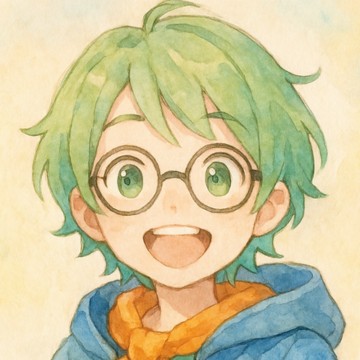
Sora, a Dryad and quiet observer, watches the city by feeling pressure lines along the soles, letting the granite seams speak before words form.
Their calm barked shoulders reveal an instinct to read how wind slides between buildings, so every route choice starts with listening rather than looking.
Grain of the Morning Route
My breath steadied while stepping from Tokyo Station’s Marunouchi exit across the granite plaza, and the wide stones let my shoulders hang looser than inside the ticket hall.
I felt tension lift as we moved from the plaza into the lower under-track passage beside the Marunouchi central gate, because the ceiling vibration matched my pulse and softened the sharp horn echoes behind us.
The guardrail along the service lane sat exactly at my barked shoulder ridge, so each step brushed a cool metal guide that kept my balance anchored while taxis pushed past close to the curb.
When the polished tiles near the Yaesu crossing flare brighter than the shaded stripes, adjusting my stride to the tactile blocks results in less heat pooling around my ankles and steadies the rest of my movement.
From the underpass we curved toward the Nihonbashi River guardwalk, and my steps slowed as the airflow cooled more than the plaza breeze, easing the resin tightness in my knees.
As a Dryad, I chose the planter-lined side street instead of the busier avenue, and my bark-lined breath eased because leaf shadows mirrored my own cambium rhythm along Tokyo’s stone edge.
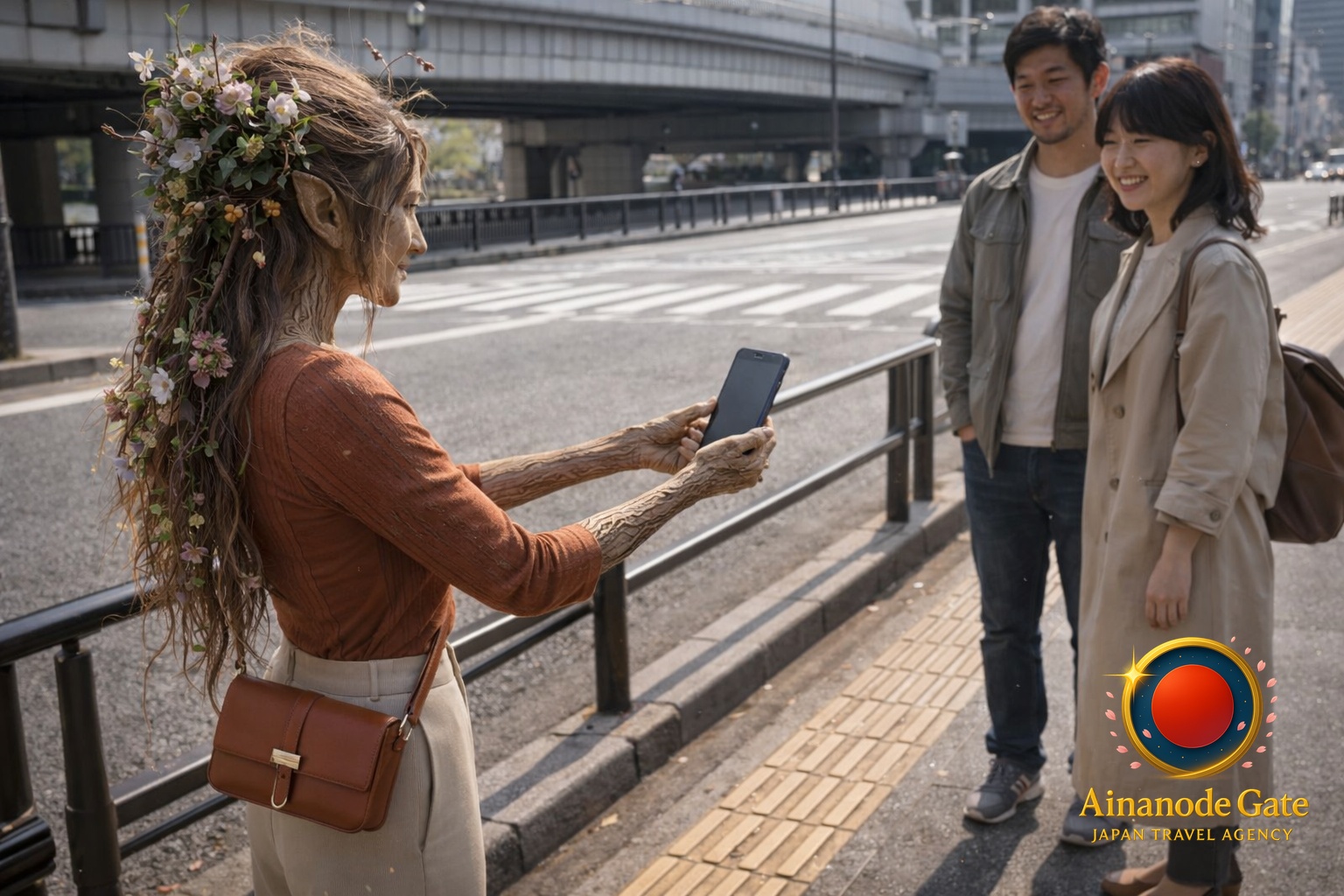
Near the small crossing by Edobashi bridge, a couple hesitated with their phone, so I made a calm photo offer with a small asking gesture, letting my hands hover between us while my balance shifted forward over the tactile ridge.
The brief photo offer let me hear their thanks, and I felt warmth travel across my shoulders as the crossing grew quieter than the plaza, giving me a clearer line toward the riverside path.
Along the Kanda riverside path, my stride stretched because the concrete band is wider than the side street, and the breeze off the water cooled my breath so the bark along my calves loosened.
I noted how the low railing stayed below my hip, which meant my torso could lean toward the river without losing balance, a detail I carried as we moved from the riverside edge into the pocket park beneath the expressway beams.
The park gravel felt grainier than the earlier tiles, and every step vibrated up my spine, so I slowed to keep tension from climbing past my shoulders while the overhead traffic hummed like distant cicadas.
Then a sudden clearing of traffic noise let the cicadas stand out, and it felt worthwhile because the shift from station frontage to shaded park taught me how pacing can translate Tokyo’s roar into a rhythm my bark can breathe.
Experience-Based Insights
The plaza-to-underpass shift proved that air temperature alone can loosen shoulders, so tracking breeze direction is as vital as watching signals.
The riverside width let Sora expand stride without losing balance, reminding us that choosing quieter-than-expected edges in Tokyo seeds enough calm for spontaneous kindness like the photo offer.
Ren’s Summary
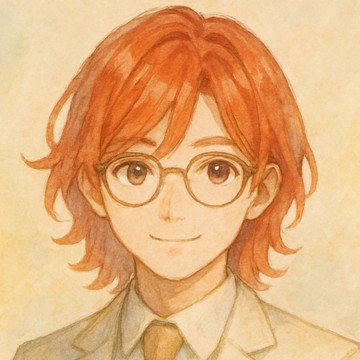
I kept noting how Sora’s breathing matched each surface, and Tokyo’s route from station frontage to Kanda riverside taught me that gentle social pauses can anchor the entire map.
I left the riverside pocket park convinced the detour was valuable because shifting from the bright Tokyo Station frontage to the shaded gravel let me feel how the city’s textures re-tune my own patience.
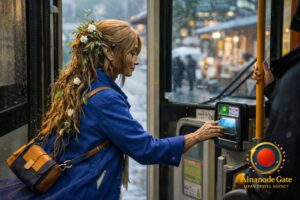

The plaza glare can become guidance once breath slows enough to hear how stone seams pull the body forward.
Side streets that feel quieter than the avenue reward balance by letting shoulders roll without brushing strangers.
Riverside railings sitting below the hip invite a lean that keeps knees relaxed for the next transition back through town.