Quiet Currents Along Kameari Arcade
Kameari, Tokyo at 09:00 under clear skies with light commuter lines and gentle storefront preparations.
Lantern Hum Beneath the Tracks
Mizuri, a Spirit who prefers quiet observation, arrived with palms already attuned to subtle drafts, ready to read how the neighborhood breath would guide each step.
Her translucent-toned clothing muted reflections, and the way she absorbs light makes every path choice a negotiation between glow and discretion.
Arcade Breath Notes


My breath steadied as I stepped from Kameari Station’s north exit into the crisp light, and the sudden quiet pocket between taxis softened the tension along my ribs.
Along the covered Kameari arcade, my shoulders loosened while the tiled ceiling guided my gaze, and the predictable rhythm of shop shutters eased the earlier transit buzz.
When the clear skies glare against the pale bricks along Kameari shotengai, adjusting my stride to shorter steps keeps my balance steadier and stops heat pulses from climbing through my soles.
I moved from the busier station frontage toward the narrow side lane beside the Koen-dori slope, feeling my pulse slow as the gradient dipped and a faint breeze cooled the back of my neck.
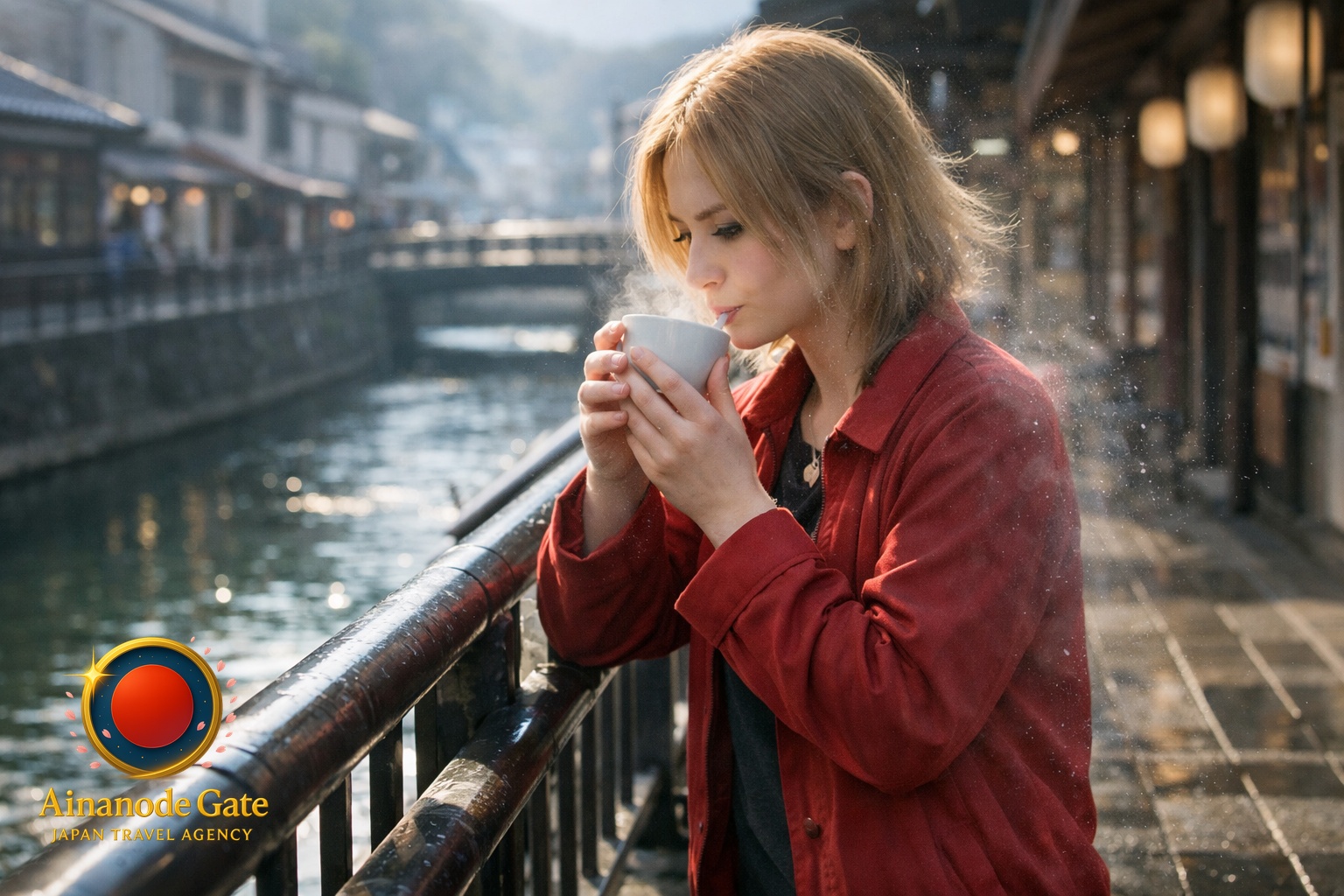
At a lantern-lit stall near Kameari Park street, I kept sipping the warm amazake cup, the steam moistening my throat while the sweet weight settled my stomach and calmed the restless focus.
Along the Kameari canal bend, the waist-high railing sat just below my shoulder, so brushing it lightly let my balance recalibrate while the mineral water smell wrapped my steps in a cooler mood.
As a Spirit, I chose to dim my glow and adjust my pace along the brick crossing toward the Katsushika ward office corner, which lifted the heaviness in my chest because the slower cadence matched the pedestrian drift.
Crossing the narrow bridge into the greenery pocket beside Kameari Chuo dori felt quieter than the arcade, and my breath lengthened as leaf-shadow flicker eased the tightness behind my eyes.
However, when I curved along the open Kameari plaza edge instead of the crowded median, the relief spreading across my shoulders proved the detour worthwhile and made the route feel newly generous.
Heading back through the arcade toward the station clocks, I felt my pulse quicken yet steadied it by syncing with the shop awning shadows, noticing how the flow grew denser more than it had at dawn.
I liked how Kameari’s layered streets reshaped me because the shift from canal breeze to roofed warmth taught my ribs to loosen whenever the route narrows, and that personal rhythm is why this walk mattered.
Arcade roofing filtered light into even bands, so breath aligned with those shadows keeps narrow passages calm.
Canal railing texture grounded balance just before the bridge transition, making the later plaza openness feel more than visual—it loosened the ribs.
Sweet steam from the warm amazake cup became a pacing metronome, binding internal warmth to the external crowd rhythm.
Ren’s Summary
Ren notes that Mizuri’s quiet adjustments, from station exit breaths to canal-edge touchpoints, show how Kameari (Tokyo) rewards travelers who read texture changes rather than speed.
I carry Kameari’s alternating roofed hush and canal breeze because choosing the bridge detour softened my shoulders more than the direct crossing, which made me trust slow explorations over straight rushes.
The tiled arcade ceiling taught my breath to flow in short, steady strokes.
The canal railing’s cool metal reminded my shoulders to drop before stepping across the bridge.
The warm amazake cup linked internal warmth with the quieter plaza detour.