Ueno by Shoulder-Height Rail and Steam
Late morning in Ueno, Taito City, Tokyo.
The route begins at Ueno Station Central Gate, continues toward Ameyoko market, then moves to the Shinobazu-side bridge and park edge.
The sky is clear, with dry pavement and light wind.
Crowd density is tight at the station crossing and looser along the park-side edge.
Where Dry Wind, Rail Height, and Footflow Start to Speak
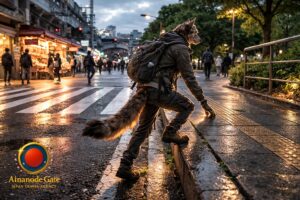
Today’s guest is Kaia, a merfolk and a quiet observer who tracks place through breathing rhythm before words.
Her gills react quickly to dry city air, and her tail-driven balance makes curb shape, railing height, and crosswind direction impossible to ignore.
Where My Pace Started to Listen
From Ueno Station Central Gate toward the first crossing, signal cycles were short and crowd spacing was tight, so my shoulders rose and my breath stayed shallow.
When painted crossing lines stay dry but glossy, adjusting my tail-led stride to shorter diagonal steps results in steadier balance and fewer jolts through my hips.
Along the outer edge of Ameyoko market, the flow spread out more than at the station front, and my elbows could open instead of pinning to my ribs.
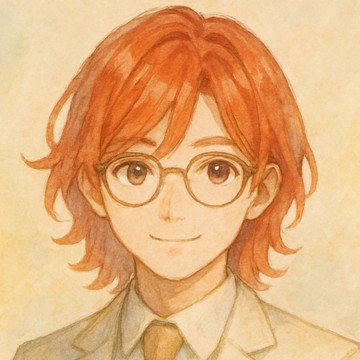
Under the rail tracks in Ueno, I paid at a small counter, received warm amazake, and sipped while moving beside stacked crates; the steam softened the dry air at my gills and gave immediate relief.
From the market edge toward the slope into Ueno Park, the incline asked for slower pushes from my tail root, and that steady effort lengthened my breath.
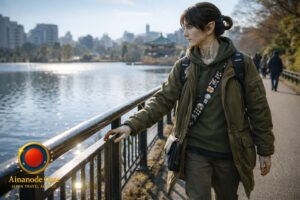
On the Shinobazu-side bridge approach, the railing sat just below my shoulders, and resting my forearms there stopped a side-to-side sway in my lower back.
Across the bridge, the view felt wider than the station crossing and quieter than the center of Ameyoko, so I could read gaps in foot traffic before they closed.
Into a covered walkway near the park edge, wind pressure dropped on my left side and my balance stopped fighting the crossflow.
When curb lips rose beside narrow sidewalk strips, adjusting my tail tip inward and shortening each step resulted in smoother pacing without knee tension.
Out of the covered stretch toward the open plaza by Ueno Park, my shoulders finally dropped; at that moment the exploration became clearly worthwhile because my movement matched the route instead of resisting it.
Along the park-side edge instead of the middle stream, the flow stayed less dense, and I kept a calm forward rhythm without abrupt stops.
What Stayed in My Body After the Route
The crossing in front of Ueno Station changed my breathing before it changed my mood, and that order stayed true through the whole walk.
Shelter mattered even in clear weather; under canopy cover, side wind eased and my spine stopped compensating.
A shoulder-height railing near the Shinobazu approach turned a busy bridge into a reset point, and that single pause carried into the park path.
Ren’s Summary
I walked back through the covered lane beside Ueno Station, adjusted my grip on the empty amazake cup, and noticed the same blocks felt readable rather than sharp. That shift from bracing at the crossing to flowing along the park edge was a genuine relief for me, and it made this Ueno exploration deeply worthwhile.

Small Motions I Still Carry
I still feel the moment steam met dry wind in Ameyoko and my chest opened.
My body now recognizes shoulder-height rails as places where balance can reset without stopping the journey.
Ueno left me with an edge-to-edge rhythm, taking shelter first and open space second until movement turns quiet.