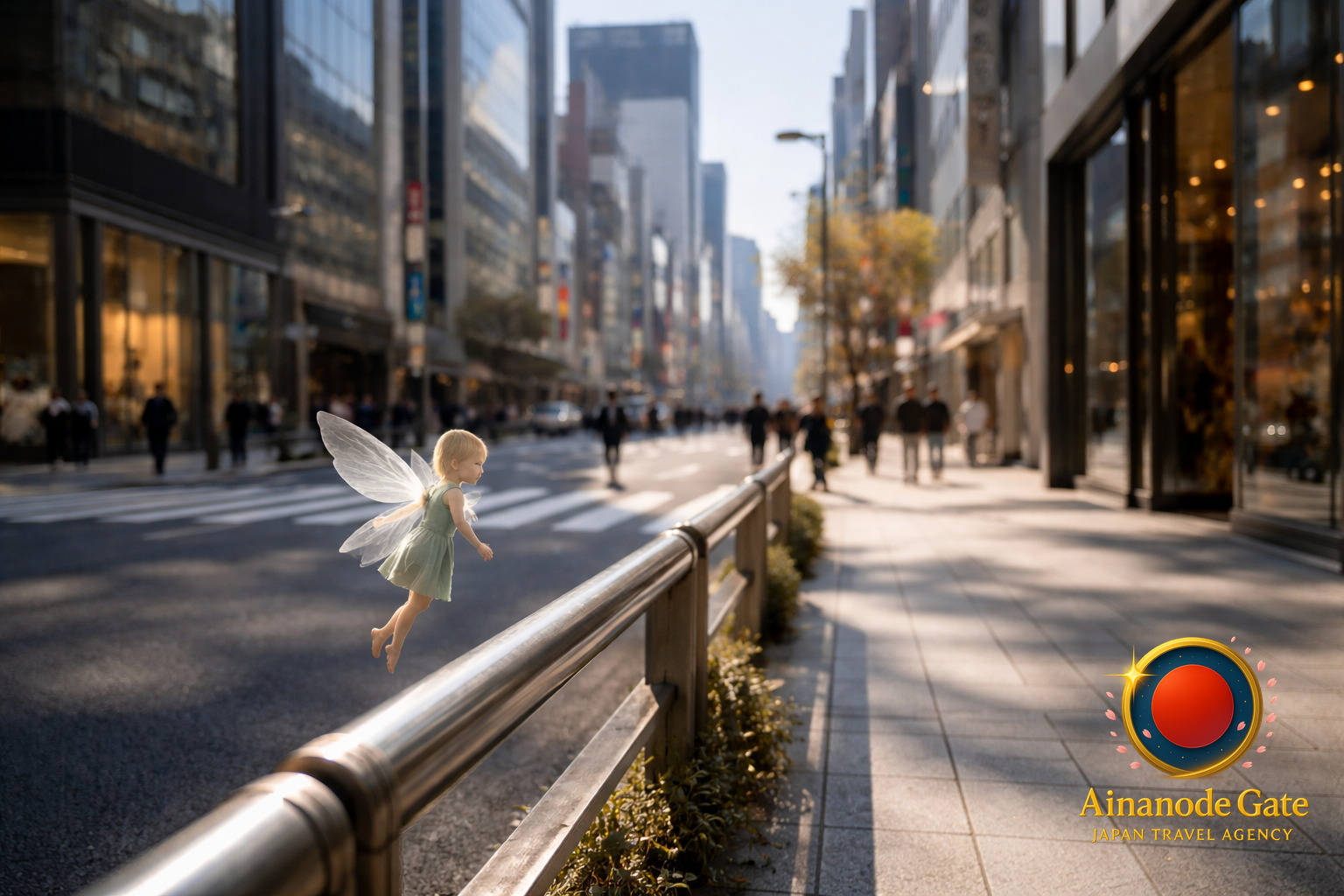
Wingbeat Pace in Ginza: A Quiet Fairy’s City Loop
At 10:30 a.m., the exploration began around Ginza Station in Tokyo.
The sky was clear, with direct winter sunlight along Chuo-dori Street.
The air was cool and dry, and a light wind moved between building fronts near Sukiyabashi Crossing.
Foot traffic was moderate, with denser flow at large crossings and thinner flow on smaller streets.
Glass Light, Crosswalk Wind, and a Small Wingbeat
Our guest is Liora, a Fairy and a quiet observer who watches movement before speaking.
Her wings catch reflected light and corridor wind quickly, so her pace changes with street width, traffic waves, and building gaps.
Finding a Rhythm on the First Loop
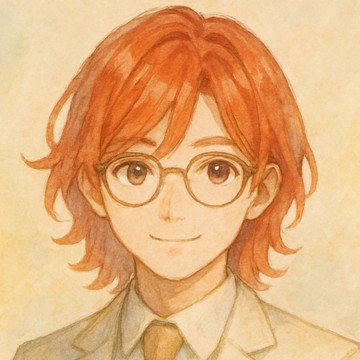

I started above curb height near Ginza Station, but the mirrored walls on Chuo-dori sent sharp flashes at wing level and made distance feel shorter than it looked.
At Sukiyabashi Crossing, the crosswalk signal pulse and bus vibration reached my wings before my ears, so I lowered to railing height and paused until the gust lines settled.
At that moment, the slower route became clearly worthwhile and enjoyable, because my breathing steadied and the streets stopped feeling like pressure.
Drifting from Main Street into Narrow Lanes
In Ginza, Tokyo, Namiki-dori Street held softer side wind, and storefront shadows gave my eyes a break from the direct bounce of glass.
When I reached the edge toward Hibiya Park, the smell of damp soil mixed with traffic air, and that sensory mismatch eased the hard metallic taste I had carried from the main crossing.
I realized this exploration mattered because I was not forcing myself to match the city’s fastest pace anymore, and that relief made the walk feel genuinely good.
What Stayed in Motion
Near wide crossings in Ginza, a shorter wing stroke and one extra pause kept the body from bracing against every signal change.
On side streets, attention shifted from bright surfaces to air texture, and that made movement feel less defensive.
At station edges and curb rails, stopping for a breath became part of forward motion instead of an interruption.
The Walk Opened More Space Than Distance
Ginza, Tokyo felt different once I treated each crossing, station edge, and street corner as a place to tune my body rather than push through it.
The value of this walk was simple and real: I left with steadier wings, clearer attention, and a feeling that returning would be welcome.

The broad crossings asked for slower starts, and that slower start made the next block feel lighter.
Side-street shade in Ginza gave the eyes and wings a quieter tempo that lasted beyond the lane itself.
Pauses at rails and corners became part of movement, and the route felt more open because of them.